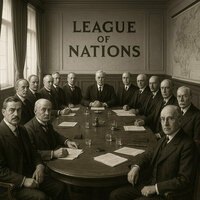


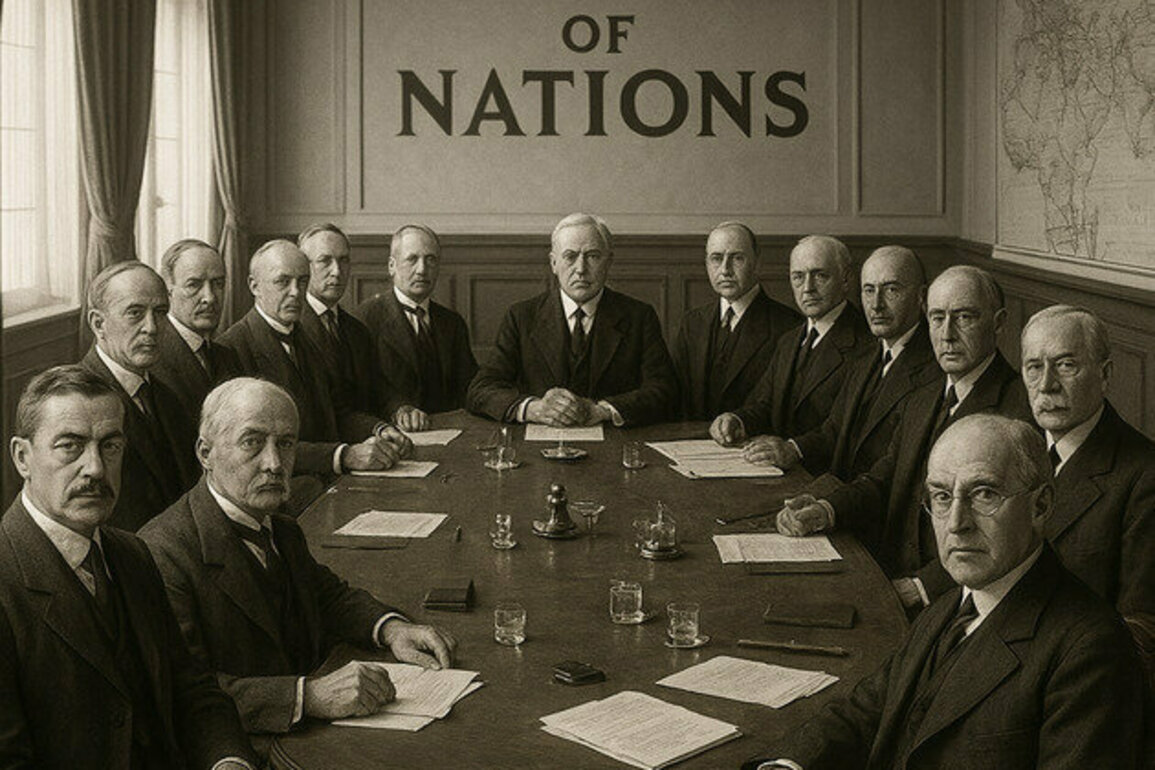
The League of Nations, established after the First World War, was created to improve international cooperation and prevent future wars. However, it failed, and soon World War II began.
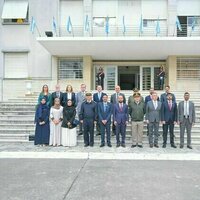
After WWII, the United Nations (UN) was established. The primary reasons for its creation were to prevent future conflicts and promote international cooperation on global issues, with its main objective being to maintain international peace and stability. Unfortunately, the UN has failed as an international institution and has become a rubber-stamp organization, where leadersparticularly from weaker countriesdeliver hollow speeches, appeal for sovereignty, and pass resolutions, only for the five powerful permanent members to veto them.
If we create an equation, these five countries hold power equal to that of the remaining 193 states meaning decision-making weight favors the veto-wielding nations. One could even argue that the influence of a single veto power equals that of all other states combined, despite these same nations preaching global justice through institutions like the International Court of Justice (ICJ).
Let us examine recent conflicts to assess the UNs role though there is a long list of the failures of the UN to resolve conflicts in Asia, Africa, Latin America and in Europe:
The UN has failed to enforce its resolutions on the Kashmir issue between Pakistan and India, leaving the two nations locked in conflict.
It has failed to ensure peace in the Middle East, the Ukraine-Russia war, and Indo-Pakistani tensions.
This raises the question: What is the UNs role if it has failed to achieve its primary objectives?
World powers have already begun seeking alternatives, such as the International Organization of Mediation, backed by China. Other alliances and forums are also emerging, challenging the UNs legitimacy.
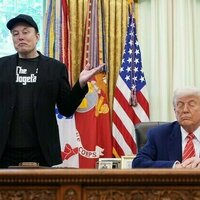
The Secretary-Generals role is diminishing in the face of aggressive leaders like Donald Trump, Vladimir Putin, and the Chin Zue Ping. The UN Security Council has become a venue for urgent yet ineffective meetings.
The world is racing toward a third world war, while the UN remains paralyzed. Its members engage in empty rhetoric, and their actions are reduced to mere headlines in newspapers.
This is the unfortunate phenomenon of modern leadershipestablishing institutions, crafting policies, and signing pacts, yet failing to uphold them. History repeats itself in the form of wars, conflicts, and arms races. The theme remains the same, only the era changes; the lesson is identical, but the faces of power differ. The struggle for dominance persistsdriven by the same hunger for resources and conquestyet fought with deadlier weapons. The core issues endure, but the tools of propaganda and warfare evolve.
The United Nations (UN) has devolved into a forum of hollow speeches, where well-paid employees enjoy lavish perks while the organizations effectiveness dwindles. Soon, it will be declared obsoletea new "League of Nations" may emerge, or perhaps the world will wait until after a Third World War to establish yet another futile forum for peace.
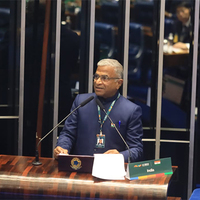
The United Nations has become a graveyard of diplomacywhere wars rage unchecked, civilians are slaughtered in Palestine, and sovereign rights are trampled upon, despite the presence of ambassadors who claim to uphold them. Each year, the General Assembly invites world leaders to perform hollow speeches, generating dramatic headlines before fading into silence.
Few dare to challenge this farce; the rest engage in manipulative debates, masking their lies and hypocrisy. Occasionally, emotional pleas are made to "save humanity"only for the veto-wielding powers to crush any real hope of justice. The UN was meant to be a shield for the powerless, but it has become a weapon of the powerful, where aspirations for peace are buried under the weight of geopolitical games.
History will remember this era not for its diplomacy, but for its cowardice and complicity.
Irshad Ahmad Mughal